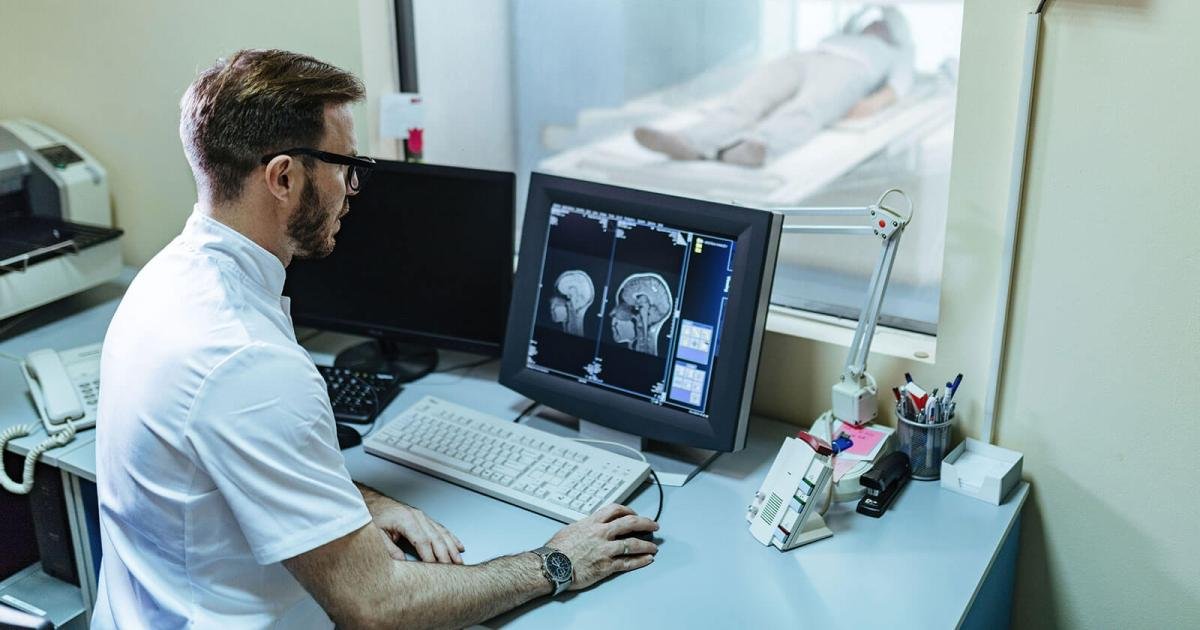
Diagnostic imaging plays a vital role in modern healthcare. Procedures like ultrasound examinations, magnetic resonance imaging (MRI), computed tomography (CT) scans, and contrast-enhanced imaging studies provide valuable information that guides treatment decisions and improves patient outcomes. As per Kasey McKillip while these diagnostic tools are highly effective, many individuals experience feelings of stress, anxiety, or fear before and during imaging procedures. These emotional responses can affect not only the patient’s overall experience but also the quality and accuracy of the imaging results.
Kasey McKillip Discusses Best Practices for Managing Patient Anxiety During Diagnostic Imaging
As healthcare facilities across the United States continue to adopt a patient-centered approach, ensuring comfort and emotional well-being has become just as important as obtaining high-quality diagnostic images. Effective anxiety management strategies can help patients feel more relaxed, improve cooperation during procedures, and contribute to better clinical outcomes.
One of the most effective ways to reduce anxiety is through clear and comprehensive communication. Patients generally feel more comfortable when they understand what will happen during the procedure and why the examination is necessary. Providing detailed information before the imaging study helps eliminate uncertainty and creates a sense of control. Healthcare professionals should explain the purpose of the examination, how the procedure will be performed, and what patients can expect throughout the process. Information regarding the duration of the scan, any sounds or sensations they may experience, and the importance of remaining still can help patients prepare mentally and physically.
The physical environment in which imaging services are provided can have a substantial impact on patient anxiety levels. A welcoming atmosphere helps patients feel more relaxed from the moment they arrive at the facility. Comfortable waiting areas, adequate lighting, and pleasant surroundings can contribute to a sense of calm. Relaxing background music and thoughtfully designed patient spaces may further reduce tension. Facilities that accommodate the needs of children through child-friendly décor, activities, or interactive features can help younger patients feel less intimidated by the medical environment.
Comfort during the actual procedure is also essential. Proper patient positioning, supportive cushions, and efforts to minimize discomfort can improve the overall experience. When patients feel physically comfortable, they are more likely to remain cooperative and relaxed throughout the examination.
Healthcare professionals play a critical role in helping patients manage anxiety. A compassionate and empathetic approach can significantly improve a patient’s emotional state before and during imaging procedures. Staff members who communicate calmly, listen attentively, and demonstrate patience help create an atmosphere of trust and reassurance. Simple gestures such as explaining each step of the process, offering encouragement, and checking on patient comfort can have a meaningful impact on reducing stress. Patients often feel more secure when they know that healthcare providers are attentive to their concerns and committed to their well-being. This supportive relationship fosters confidence and allows patients to approach the procedure with greater ease.
In the opinion of Kasey McKillip, distraction techniques can further reduce anxiety by shifting the patient’s focus away from the procedure. Listening to music, audio-books, or other audio content can provide comfort and help pass the time during lengthy examinations. In some imaging settings, visual entertainment options may be available to help patients remain engaged and relaxed. During less complex procedures, friendly conversation with healthcare staff can also serve as an effective distraction, helping patients feel more comfortable and less focused on their fears.